
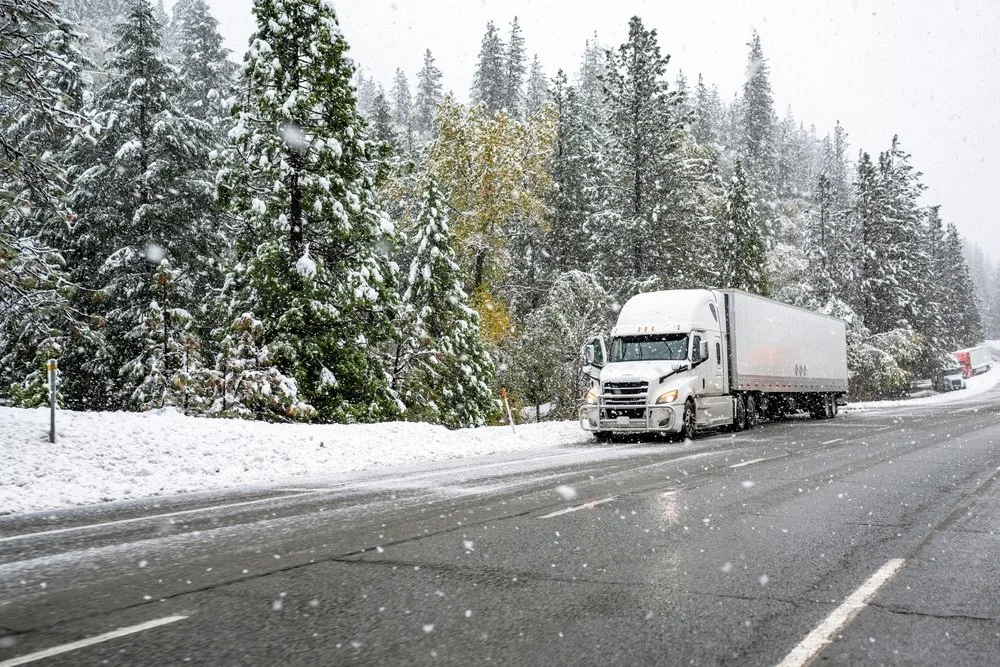
Winter moving goes smoothly when you prepare the property before the truck arrives: salt and clear every walking surface, protect floors at both ends, pack cold-sensitive items in your own car, and confirm in writing how your movers handle snow and ice delays. At Ben The Mover Guy, our crews work straight through January without issue, and a few simple prep steps make cold-weather moving day much easier on everyone.
Winter Moves Cost Less and Are Easier to Schedule
From November through March, local movers typically have far more open dates and lower hourly rates than they do in June, July, and August, when the bulk of household moves happen. That alone is a strong reason to consider a winter date if your timing is flexible.
Off-season demand also means requests for affordable local and long-distance moving services get answered faster, same-day availability is realistic on many weekdays, and a free estimate can usually be scheduled within 48 hours. At Ben The Mover Guy, our winter calendar gives homeowners far more flexibility on dates, and the weather tradeoff is straightforward to manage with a little planning.
1. Salt and Clear Every Walking Surface the Night Before
Clear snow and spread ice melt on driveways, sidewalks, stairs, and the path to the truck the evening before your move, then touch it up at sunrise. A crew carrying a 180-pound dresser cannot watch its footing the way you can.
Standard rock salt stops working effectively once surface temperatures drop below about 15 to 20 degrees Fahrenheit. Calcium chloride keeps melting down near minus 20, costs more per bag, and is worth the upgrade during a January cold snap. Keep a shovel and a spare bag by the front door for the duration of the job.
2. Protect Floors Before the First Box Goes Out
Lay runners, flattened cardboard, or hardboard along every high-traffic path, and put a heavy mat inside both doorways. Salt residue tracked across hardwood scratches the finish, and melted slush will soak through a rug pad in under an hour.
Experienced crews, like our movers in Paoli and surrounding communities, bring floor protection and door jamb pads as part of standard moving services, though it is always smart to confirm this when you book rather than assuming. Towels staged near the entry let the team wipe boot soles between loads, which does more for your floors than anything else on the truck.
3. Keep Cold-Sensitive Items in Your Own Car
A moving truck is unheated, and a box in the cargo area can sit at outdoor temperature for several hours. Anything that cracks, freezes, or warps belongs in your heated vehicle instead.
Electronics with screens: Laptops, televisions, and monitors, which can suffer LCD damage and internal condensation
Liquids that expand: Wine, beverages, cleaning products, and anything water-based
Instruments and records: Wood instruments crack in dry cold, and vinyl warps
Houseplants: Most tropicals show damage after 20 to 30 minutes below freezing
When electronics do come in from the cold, let them sit at room temperature for a full 24 hours before plugging anything in. Condensation inside a device is what causes damage, not the cold itself.
4. Start Early and Hold a Backup Date
Book an 8:00 a.m. start in winter. Early winter sunsets around 4:40 p.m. mean a late start forces loading or unloading in the dark on surfaces that refroze after noon.
Ask your movers what happens if a winter storm warning lands on your date. Reputable companies, including our moving company in Malvern, will shift the job rather than drive a loaded truck through a severe advisory, and National Weather Service winter safety guidance serves as a sensible tiebreaker when you and your crew are deciding at 6:00 a.m. Keeping one flexible backup day in the same week removes most of the pressure from that call.
5. Keep the Heat and Water On at Both Addresses
Leave heat running at a minimum of 55 degrees Fahrenheit in the home you are leaving and the home you are entering, and do not shut off utilities until the day after the move. Frozen pipes during a vacancy cost thousands and are entirely preventable.
Open doors on moving day will drop an interior to outdoor temperature fast, so bump the thermostat up a few degrees before the crew arrives. If the new place has been empty, run the furnace the night before so the building is warm when your furniture lands rather than six hours later.
6. Ask These Questions Before You Book
Five questions separate a solid company from a problem one, and all five should be answered before any deposit changes hands. Read the written estimate line by line, including the parts in smaller print.
What is your USDOT or state registration number? You can verify interstate carriers through FMCSA's Protect Your Move tool.
Is the estimate based on a walkthrough or video survey? A price quoted without seeing your inventory is just a guess.
What is the weather rescheduling policy? Get it in writing.
What valuation coverage is included? Basic released value liability is 60 cents per pound per item, which is almost nothing on a television.
What triggers extra charges? Ask about long carries, stairs, shuttle trucks, and wait time.
Schedule Your Free Winter Moving Estimate
At Ben The Mover Guy, requests submitted through our website form get a reply the same day in most cases, because a crew you cannot reach in December is a crew you do not want. Reach out today to check winter availability and lock in a clear, written estimate for your upcoming move.