
Understanding the Transition: How Commercial and Residential Moving Differ
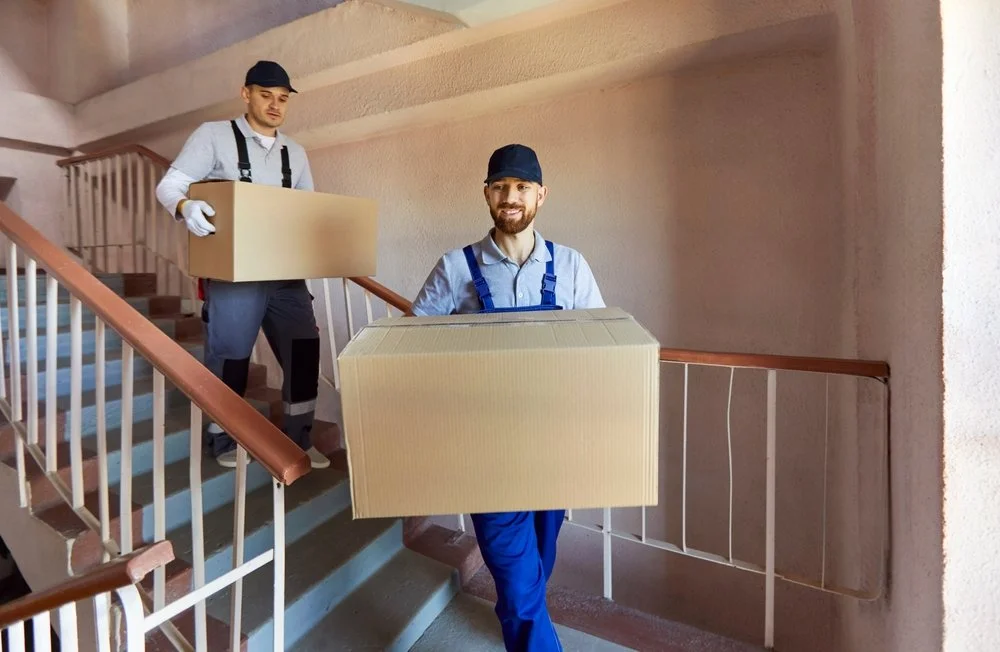
When it comes to shifting your life from one location to another, the process can feel overwhelming regardless of what you are hauling. However, packing up a three-bedroom family home involves an entirely different set of rules, timelines, budgetary constraints, and logistical hurdles than relocating an active corporate office. While both types of moves require heavy physical lifting and transport trucks, the core strategies behind commercial moving services diverge sharply from traditional residential projects. Understanding these distinct differences allows property owners and corporate managers to select the correct service levels, establish realistic operational timelines, and avoid unexpected delays during a major transition.
At Ben The Mover Guy, we believe in a straightforward, no-nonsense approach to moving. Whether we are handling a small apartment or transitioning a complex office setup, our team focuses on minimizing your stress and protecting your property. By examining how these two service paths differ, you can better prepare your timeline and budget for your upcoming transition. Choosing an amateur crew that treats a corporate tech center like a basic bedroom closet can result in catastrophic equipment damage, while applying rigid commercial methods to a family home can make the domestic process feel cold and rushed.
Timelines, Equipment, and Scale: The Commercial Moving Blueprint
Commercial relocations are defined by strict operational constraints and financial bottom lines. When a business moves, extended downtime equates directly to lost revenue, missed client communications, disrupted payrolls, and potential contractual penalties. For this reason, office relocations are structured to happen in highly compressed windows, frequently overnight or during weekend blocks, to keep the company's daily workflow completely intact. The entire operational environment must be disassembled, packed, transported, and completely rebuilt before the opening bell rings on Monday morning.
The physical assets involved also demand specialized handling and industrial-grade moving materials. While a household move centers on sentimental decor, clothing, and standard furniture, a commercial move deals with expensive, specialized tech systems and massive layouts. Navigating these requirements demands experienced oversight and a deep knowledge of workplace ergonomics. If you are coordinating a corporate shift in the region, utilizing seasoned professional movers on the Main Line can protect your company from prolonged operational paralysis and guard sensitive internal data.
Commercial projects call for distinct equipment and specialized workflows to protect valuable data and office frameworks:
Heavy-Duty Tech Cages: Anti-static, rolling security carts used to safely transport rows of computer monitors, central servers, delicate printers, and complex networking hardware.
Modular Workstation Teardown: Calibrated tools and techniques used to disconnect, label, and disassemble complex cubicle clusters without snapping structural connectors or ruining hidden power tracks.
Proprietary Document Security: Lockable rolling bins that keep sensitive payroll papers, employee medical records, and legal client files secure during loading and road transit.
Pre-Planned Asset Tagging: A strict, color-coded sticker system where every office chair, filing cabinet, and desktop setup is assigned an exact destination grid number matching the new office layout.
Building Management Compliance: Providing specific certificates of insurance and adhering to strict freight elevator reservation hours dictated by commercial property managers.
Heavy File Cabinet Logistics: Utilizing specialized lateral file lifts that allow heavy, steel cabinets to be transported safely without dumping hundreds of corporate files out of order.
Domestic Care and Personal Pacing: The Residential Moving Approach
Residential moving relies on a completely different emotional frequency and a much more personal pace. Homeowners and renters are not tracking hourly revenue losses or managing board meetings; instead, they are focusing on the sentimental and financial value of personal belongings accumulated over years or decades. The pacing of a residential move allows for more flexible packing timelines, giving individuals time to sort through family memories, donate unused clothing, and organize fragile items at a manageable speed.
The items found in a typical household are incredibly diverse, ranging from sturdy mattresses and heavy oak dressers to highly fragile glass heirlooms and delicate children's artwork, requiring meticulous wrapping techniques. When planning a household transition in the local neighborhoods, connecting with specialized movers in Ardmore can help you secure a crew that treats your personal property with the exact level of respect it deserves. Residential crews must act as careful handlers who respect the domestic environment, taking special care not to scratch household walls or stain carpets during the move out.
Household moves focus on domestic care, personalized organization, and protective materials for everyday life:
Custom Dish Packing: Utilizing double-walled cardboard barrels and generous layers of clean, unprinted newsprint to cushion delicate kitchen porcelain, china plates, and fragile glassware.
Wardrobe Transfer Boxes: Heavy-duty vertical boxes equipped with built-in metal hanger bars, allowing clothing to move straight from the closet to the truck without folding or wrinkling.
Mattress Protective Sleeves: Thick plastic encasements wrapped tightly around box springs and mattresses to block dirt, moisture, insects, and street dust during handling.
Furniture Blanket Padding: Wrapping individual wooden dressers, vintage dining tables, and upholstered sofas completely in thick quilted pads prior to leaving the room.
Sentimental Item Isolation: Separating personal family photo albums, vital birth certificates, jewelry, and prescription medications so they remain with the homeowner at all times.
Appliance Disconnection Care: Managing the careful handling of domestic washing machines, dryers, and refrigerators, guaranteeing that water lines are drained to prevent domestic water damage.
Choosing the Right Path for Your Next Move
Ultimately, the choice between commercial and residential services boils down to what you are moving and how much your timeline dictates the process. Commercial moves require strict logistical precision, blueprints, and specialized tech handling to protect corporate interests. Residential moves demand a high level of personal care, delicate packing materials, and patience to transport a household's worth of memories. Knowing these differences helps makes sure that you hire a crew equipped with the proper tools and mindset for your specific project.
No matter which path your next project requires, Ben The Mover Guy provides an honest, clear, and human moving experience from start to finish. Our crew brings the right tools, a wealth of practical experience, and a solid work ethic to every single driveway and loading dock we service. We take pride in offering transparent communications without hidden fees, making sure that you know exactly what to expect on moving day. Contact us today to discuss your upcoming move and receive a straightforward quote.