Will Movers Move Dressers With Clothes in Them: How a Professional Moving Company Handles Dresser Drawers
Planning a relocation brings up dozens of practical questions about how to transport your belongings safely, including the common query: will movers move dressers with clothes in them? You might look at your bedroom furniture and wonder if you must pack every single shirt and sweater. Leaving items inside your furniture seems like a logical way to save space and reduce your box count, especially when you decide to change location.
Safety regulations and equipment limitations often dictate how crews handle large wooden pieces during the moving experience. The answer depends heavily on the type of furniture, the distance of your relocation, and specific company policies. Most providers offer a free estimate to clarify these details. Working with a dedicated moving company in Villanova like Ben The Mover Guy allows you to get expert advice on furniture preparation before the truck pulls into your driveway.
The solution requires understanding how extra weight affects transportation safety and structural integrity. Let us explore exactly what you should expect before moving day arrives at your home to facilitate a happy moving process. Proper preparation is the key to protecting your investment during any residential moving project involving moving heavy furniture.
How Professional Crews Handle Dresser Drawers
Many professional movers evaluate each piece of furniture individually before deciding how to transport it. If you have a sturdy piece made of solid wood, crews might allow you to leave clothes inside. This allowance typically applies only to lightweight clothing items like t-shirts, socks, and undergarments, which can be compressed if needed.
You cannot leave heavy items like books, electronics, or dense winter coats inside your furniture. These dense materials add significant extra weight to the joints and frame of your furniture pieces. When crews load furniture onto the moving truck, excessive mass increases the risk of structural failure. Ben The Mover Guy prioritizes the safety of your belongings, often suggesting that drawers be emptied to keep the furniture's structural integrity intact during a move.
Item Weight Impact on Furniture Safety
Light Clothing (Socks, T-shirts, Undergarments)
Move Inside Drawer? Often Yes.
Potential Risk: Minimal structural stress; these items are lightweight and can be compressed.
Heavy Linens (Comforters, Thick Blankets, Winter Coats)
Move Inside Drawer? No.
Potential Risk: Frame warping or joint failure due to the constant pressure on the furniture's structure.
Non-Clothing (Books, Tools, Files)
Move Inside Drawer? No.
Potential Risk: High risk of drawer collapse; these items add excessive mass that the furniture joints weren't designed to support during movement.
Fragiles (Jewelry, Perfume, Glassware)
Move Inside Drawer? No.
Potential Risk: Breakage and internal damage; items can shift and shatter against the drawer walls.
Electronics (Laptops, Tablets, Cameras)
Move Inside Drawer? No.
Potential Risk: Screen pressure cracks or internal component damage from shifting weight.
Why Movers Recommend Emptying Your Heavy Furniture
Furniture manufacturers design dressers to hold mass while resting firmly on a flat, stationary floor. They do not build these items to withstand heavy vibrations while tilted on a ramp or dolly, even when protected by furniture blankets. This structural reality explains exactly why movers recommend emptying your furniture before transport.
When you leave items inside, the added mass stresses the dowels, screws, and glue joints. A sudden bump in the road can cause the frame to warp or break completely. Removing the main content from your bedroom sets protects your investment from permanent and costly damage. If you are looking for movers in Narberth, choosing a team like Ben The Mover Guy guarantees that your furniture is handled with the correct techniques to prevent this type of wear.
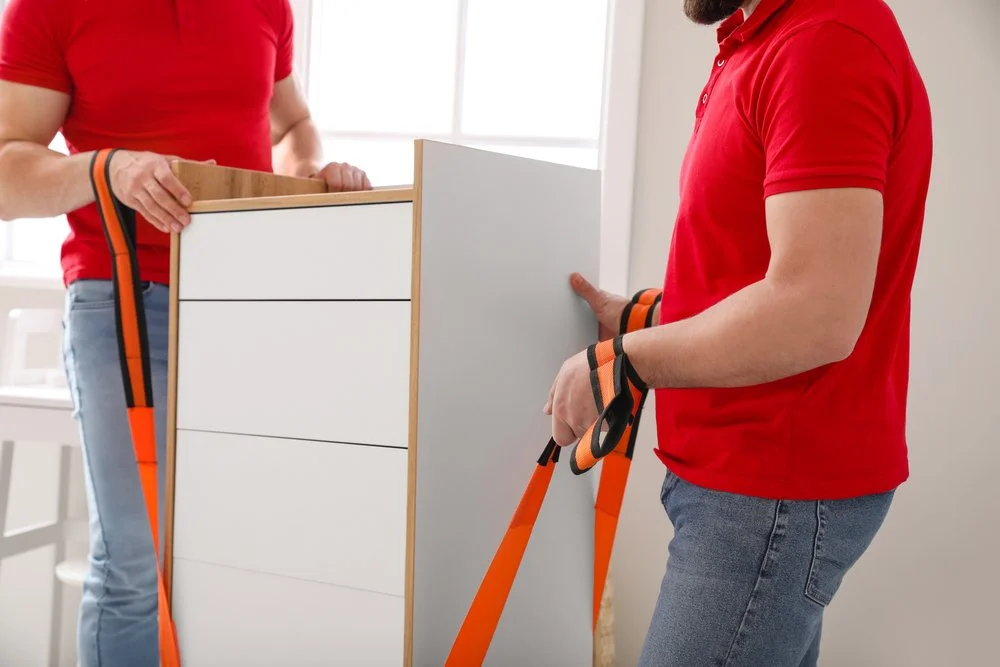
Additionally, full drawers add serious risk for the workers performing the heavy lifting. A standard oak dresser already weighs over one hundred pounds without any clothing inside, making moving heavy items even more dangerous. Making the furniture lighter protects the crew from preventable back injuries while carrying items downstairs.
The Risks of Shifting Loads and Structural Failure
Transporting heavy items requires precise balance and coordination from the entire relocation crew. If items shift inside the furniture during transport, the sudden change in gravity can cause accidents. Workers lose their grip easily when unexpected weight transfers occur while moving through tight spaces, often leading to a need for junk removal if items break.
What happens if you ignore these weight limits? The internal hardware of your furniture suffers greatly when subjected to improper handling. A standard rolling mechanism can easily bend or snap if the unit contains too much mass. Furthermore, heavy items can cause the drawers themselves to slide open while workers carry the piece. If drawers fall out on a staircase, the sharp corners can damage walls or injure the crew. Ben The Mover Guy utilizes specialized equipment and wrapping techniques, but starting with a lighter, empty unit is always the safest protocol for everyone involved.
Long Distance Relocations and Labeling
Interstate relocations operate under strict federal guidelines regarding weight and transportation safety. Because trucks travel across state lines, the Department of Transportation regulates how loads must be secured. Therefore, movers recommend packing all clothing into separate boxes for any long distance transit, making sure to clearly label box contents for easy unpacking.
During a cross-country trip, the moving truck will encounter thousands of bumps and sharp turns. Items left inside furniture will bounce around for several days or even weeks. This continuous friction often results in causing damage to both the clothing and the interior wood. Ben The Mover Guy emphasizes proper packing to make certain that your items arrive at your new destination in the same condition they left. Most moving companies base their interstate pricing on total weight, so keeping clothes inside drawers doesn't offer a financial advantage.
Steps for Preparing Furniture for Moving Day
Proper preparation protects your valuable items and speeds up the entire loading process when preparing furniture. You must take specific actions before the crew arrives to handle the furniture moving. Following a systematic approach keeps your belongings organized and ready for transport.
How to Prepare Your Dressers
Empty All Drawers: Remove all items regardless of weight to be as safe as possible.
Remove Fragile Items: Never leave jewelry, glass bottles, or money inside furniture.
Secure the Hardware: If the dresser has removable knobs or feet, pack them in a labeled bag.
Clean the Surfaces: Dust the furniture so that moving blankets and tape adhere properly without scratching the finish.
Check the Paths: Clear a wide path through the hallway and bedroom to allow the team to maneuver safely.
Communicate with the Crew: Ask Ben The Mover Guy about specific wrapping requirements for antique or delicate pieces.
Your brand new house or apartment represents a major personal milestone. Treat the moving process with the same level of care and respect by preparing your furniture correctly. Taking the extra hour to box up your clothing prevents long-term damage to the dresser's frame and hardware. This methodical approach allows your movers to work more efficiently, reducing the total time spent on the job.
Smart decisions during the packing phase consistently create a more secure environment for your valuables. If you have questions about your upcoming relocation or want to schedule an estimate, contact us today to discuss your specific moving needs.