
Professional Movers: Do Movers Assemble Furniture? The Standard Industry Approach
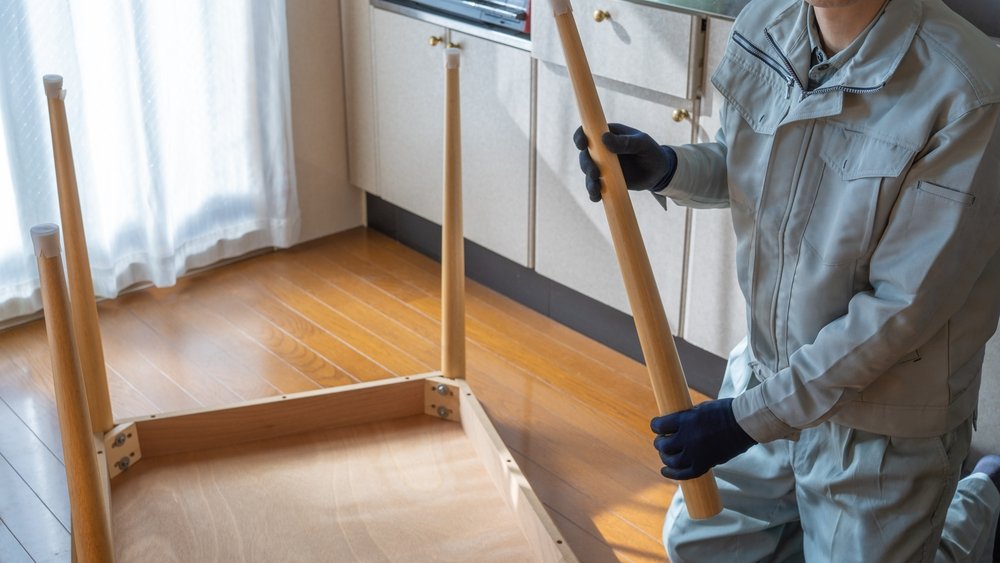
Moving requires heavy lifting, packing, and endless logistical coordination to get your belongings safely to your new home. One common question homeowners ask is whether movers assemble furniture during the transition to a new residence. The answer depends heavily on the specific moving company you hire and the level of service you choose to book. Whether you are hiring a moving company in Malvern or a high-end crew elsewhere, knowing the rules of the road prevents headaches on moving day.
Standard moving packages often include basic furniture disassembly and reassembly for standard household items to make the transition smooth. However, complex pieces or budget-friendly particleboard items frequently come with different rules that impact your final moving estimate. If you want a seamless experience, many locals turn to Ben The Mover Guy, a professional known for handling these logistical hurdles with ease. Clarifying these details weeks before the truck arrives will save you significant stress and help you manage your budget.
The Standard Industry Approach to Assembly
Many full-service movers generally handle basic furniture breakdown and setup as part of their standard contracts for residential relocations. Movers carry the necessary tools to detach table legs, take apart bed frames, and remove mirror panels from dressers efficiently. They complete these tasks to transport bulky items safely through narrow doorways and tight hallways without causing structural damage.
Local moving companies offering labor-only services might not offer these services unless you specifically request them in advance of your move. These crews focus strictly on loading and unloading boxes you have already prepared and staged for the moving truck. You must clarify the scope of work before signing any binding estimate or contract to avoid confusion on the big day. If a mover takes an item apart, they take responsibility for putting it back together correctly at the final destination.
Furniture Assembly Service Levels
Standard Beds and Tables (Included): These items typically use simple bolts and are essential to disassemble to fit through standard doorways safely.
Sectional Sofas (Included): Most movers handle basic bracket systems on sectionals due to the low risk of mechanical failure during the process.
IKEA and Particleboard Furniture (Limited or Excluded): Because particleboard material crumbles easily when fasteners are removed and reinserted, many movers limit this service due to the high liability risk.
Specialty Items like Pool Tables or Gyms (Third-Party): These complex items often require proprietary tools and specific calibration, necessitating a specialized third-party technician.
Items Professional Movers Will and Will Not Handle
Understanding exactly which pieces qualify for professional handling helps you plan your timeline effectively during the busy moving season. Most standard household items pose no problem for experienced moving crews. For those looking for professional movers on the Main Line, finding a team that understands these nuances is vital for protecting antique or high-value sets.
Items Professional Movers and Local Moving Companies Typically Avoid
Particleboard furniture represents the biggest point of contention during packing and moving services. Brands like IKEA design these items for a single assembly process, making them highly prone to structural damage during disassembly. Most moving contracts explicitly state that the company holds no liability for damage to pressed wood furniture once it is moved. Ben The Mover Guy often advises clients to move these pieces whole if possible to maintain their integrity.
Complex mechanical items also fall outside the scope of standard moving company services. Treadmills, elliptical machines, and elaborate home gym systems require specialized knowledge to dismantle safely without voiding manufacturer warranties. Grandfather clocks and antique furniture pieces similarly require specialized technicians rather than general moving laborers to make sure that they remain functional.
Cost Structures for Furniture Assembly Services
Local moves typically operate on an hourly billing structure, meaning you pay for the time spent turning wrenches on your items. If your crew spends two hours dismantling a complex bunk bed, that time adds directly to your final bill at the end. Homeowners can save significant money by handling simple tool work before the truck arrives to streamline the entire loading process.
Long-distance relocations operate differently, usually billing based on the total weight of your inventory and the distance traveled to the destination. Third-party servicing represents another cost factor you might encounter during a complex residential move involving specialized equipment or luxury items. If you own a slate pool table, the moving company will likely hire a specialized vendor to crate the slate properly.
Your Furniture Checklist for Professional Movers
Proper preparation prevents lost hardware and frustrating delays once you reach your new residence. You can take several proactive steps to protect your belongings and streamline the entire process for the professional movers. Follow these specific procedures to keep your household goods organized throughout the duration of your move:
Inventory and Photograph Everything: Document the current condition of your items before anyone touches them with a tool. This provides a clear record if you need to file an insurance claim later.
Remove All Internal Contents: Empty every drawer and cabinet to reduce weight and prevent internal damage during transit.
Secure and Label Hardware: Place all screws and bolts into plastic bags and tape them securely to the corresponding furniture piece. This prevents crucial components from getting lost in the back of the moving truck.
Questions to Ask Local Moving Companies Before Booking
Clear communication with your chosen vendor prevents unexpected surprises on the morning of your relocation. Never assume that a company includes full assembly services just because they advertise as a full-service provider. Start by asking the estimator if their crews carry their own tool kits for complex teardowns and reassembly tasks.
If you are hiring a moving company, ask if they have specific experience with the types of heavy, solid wood furniture common in older homes. You should also inquire about their specific policies regarding pressed wood and antique items. Ben The Mover Guy is a great example of a professional who provides transparent answers to these questions upfront to guarantee that you aren't hit with hidden fees.
Liability and Insurance for Furniture Tasks
Valuation coverage plays a massive role in how companies handle your household goods. Basic released value protection covers your items at a minimal rate of sixty cents per pound regardless of the item's value. This basic coverage rarely compensates you adequately if a heavy wooden bed frame cracks during reassembly. Full value protection offers a much safer alternative for homeowners with expensive furniture sets. Under this policy, the moving company must repair, replace, or offer a cash settlement for any item they damage.
Final Thoughts
Determining whether movers assemble furniture ultimately comes down to your budget, timeline, and specific inventory of household goods. Professional movers offer tremendous convenience, but that convenience requires clear communication and a solid understanding of liability rules. By identifying your needs early, you can hire the right professionals for a seamless transition.
Always review your moving contract carefully to verify exactly what labor the estimate includes. Take the time to separate your delicate particleboard items from solid wood pieces that require professional handling. Relocating your life requires significant effort, but managing your household goods does not have to cause excessive stress. Reach out to us to discuss your specific needs and get your journey started on the right foot.