
The Ultimate Moving Checklist Timeline: How to Pack Efficiently When Moving House
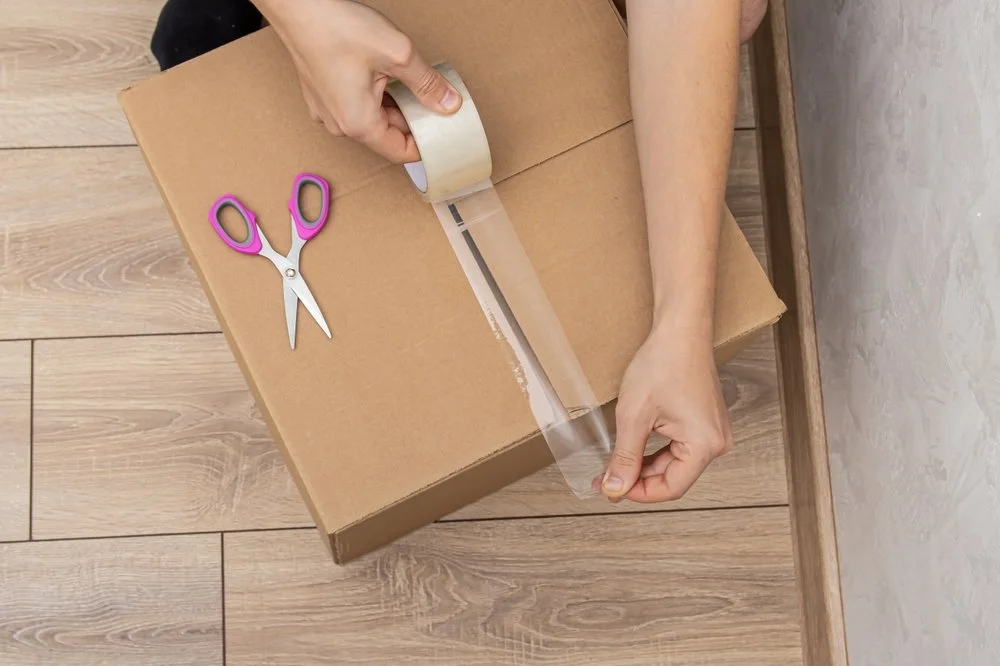
Moving to a new home is a major life change that takes a lot of time, patience, and energy. Most people don't realize how much they actually own until they start pulling items out from the back of their cabinets. This often makes the job feel much bigger than expected.
How you pack usually has a direct impact on how successful your move is. A messy approach leads to broken dishes, lost paperwork, and massive headaches. However, a solid plan turns that chaos into a structured, manageable project.
You can protect your belongings and simplify the unpacking process by using the same methods that expert movers use. This article offers tried-and-true methods to help you plan your move as efficiently as possible, drawing on the practical strategies trusted by experienced movers in Ardmore and the surrounding areas.
Why Starting Early is the Secret to Packing Your House Efficiently
A tight timetable that starts weeks before the moving truck arrives at your house is necessary for successful relocation. You feel compelled to put things in boxes without any sort of sensible arrangement or protection if you wait until the last week. A complete calendar with specific duties for every week before your deadline should be made.
The majority of moving experts advise beginning the packing process at least six weeks prior to the date of your actual move. Start by focusing on parts of the house that you don't use much, including spare guest rooms, basements, and attics. The tiresome midnight packing marathons that afflict disorganized and delaying movers are avoided by starting early.
Set aside particular days for particular rooms in order to keep up the momentum and precisely monitor your overall progress. Do you want to cram loose items from the house into black trash bags over your last weekend? You keep control of the entire physical transition by following a precise moving checklist.
Key Takeaways:
Start the packing process at least six weeks before your official moving date.
Create a master calendar to track your progress and assign specific rooms to specific days.
Begin with storage areas like basements and attics before moving to daily living spaces.
Gather High-Quality Packing Materials for Your Move
Strong materials protect your assets and are the cornerstone of any successful residential moving job. Heavy weight will cause flimsy grocery store boxes to collapse, possibly damaging your priceless belongings while in transit. Invest in a variety of sizes of corrugated cardboard moving boxes, with a particular emphasis on medium boxes for the majority of home items.
To secure everything, a ton of packing paper, bubble wrap, and sturdy packing tape will be needed. Dishes should not be wrapped in newspaper since the ink can readily get on glass and ceramic surfaces. To avoid costly casualties, use customized boxes for particular things such as mirrors, wardrobe clothes, and flat-screen televisions.
A professional packing station requires thick permanent markers, box cutters, and color-coded stickers for proper inventory management. Set up a central staging area in your home where you keep all these supplies organized and accessible. This centralized hub saves you from constantly searching for the tape dispenser while holding a sealed box closed.
Tip: Buy 30 percent more packing paper and heavy-duty tape than you think you will actually need. Running out of critical supplies at night right before moving day will completely derail your progress.
Decluttering Before Moving: Organize Your Home Before You Box Anything Up
It is a waste of time and money to pack and move items you no longer want. If you intend to get rid of heavy furniture anyhow, there's no point in hiring professional movers to relocate it. Examine every closet and drawer to see whether each thing actually deserves a place in your new house before you tape up a single box. Our moving company near Havertown will often recommend decluttering first, since reducing volume lowers both labor time and overall moving costs.
The best way to do this is to sort your belongings into three clear groups:
Items to Sell: To earn money selling electronics and furniture that don't fit your new floor plan, hold a garage sale or use online marketplaces.
Items to Donate: At least two weeks before your move, arrange for a charity to pick up your gently worn clothing and home items.
Items to Discard: Toss out broken items, expired pantry food, and old paperwork.
To protect your identity, make sure you shred any critical documents. This also lessens the strain on your filing cabinets. Everyone's experience is quicker, less expensive, and much less stressful when you declutter before moving.
Step-by-Step Moving Checklist: How to Pack Room by Room
Tackle Storage Areas First: A few weeks before your actual moving date, start by organizing the basement, attic, and garage. Bulky, infrequently used things that need a great deal of packing time and effort are found in these regions. For safety, wrap sharp gardening equipment in strong cardboard and group similar garage tools together.
Pack Out-of-Season Belongings: During the summer, store winter jackets; in the winter, store pool toys. When you move from your old house to your new one, you won't miss these particular things. To save crucial box space, store bulky winter clothing in vacuum-sealed storage bags.
Box Up the Kitchen: Wrap fragile dishes and heavy appliances carefully, leaving this labor-intensive room for the final week. Leave out only a few basic plates, cups, and utensils for your final days in the house.
Organized Relocation: Label Boxes Strategically
Opening a mystery brown box on your first morning in a new home is a nightmare. Nobody wants to search through ten different containers in search of the coffee maker. A clever labeling system that provides you and your movers with the information you require at a glance is necessary to prevent this.
Writing on the top and two sides of each box is the most effective technique to maintain organization. Give a brief description of the destination room's contents in bullet points. Even when boxes are stacked high against a wall, you can still read the label because it is marked on multiple sides.
To make things even easier, try these professional tips:
Color-Code by Room: Use a different color of tape or a bright sticker for each room. This helps movers drop boxes in the right spot without asking you a dozen questions.
Use a Numbered Inventory: For a big move, give each box a number. Keep a master list on your phone that says exactly what is in "Box #14." This helps you double-check that every single item arrived safely.
Keep Valuables Discreet: Never write "Jewelry," "Laptops," or "Expensive Electronics" on the outside of a box. Use a simple code like "Office B" to keep your high-value items safe from theft during the trip.
Taking a few extra seconds to label your boxes clearly will save you hours of frustration during your first week in the new house.
Packing Fragile Items: Protect Delicate and Awkward Belongings
Delicate items require specialized packing fragile items techniques to survive the constant vibrations and occasional impacts of a moving truck. Plates should always stand vertically on their edges inside the box rather than stacked flat on top of one another. Wrap each fragile piece individually in plain packing paper before adding a secondary layer of protective bubble wrap. Experienced movers in Bala Cynwyd follow these same protective methods to reduce the risk of cracks, chips, and costly damage during transit.
Fill every single empty gap inside your fragile boxes with crushed paper, packing peanuts, or soft bath towels. The contents inside the carton should not shift or rattle at all when you gently shake the sealed box. Mark these specific boxes prominently with "Fragile" and "This End Up" to alert the moving crew immediately.
Disassemble large furniture pieces to prevent damage to door frames and reduce the space required inside the transport vehicle. Place all screws, bolts, and small hardware components inside a clear plastic bag and tape it securely to the furniture base. Wrap the dismantled pieces in heavy moving blankets and secure the fabric tightly with plastic stretch wrap.
Moving Day Essentials: Prepare the Essential First-Night Box
After a grueling day of heavy lifting, you’ll lack the energy to dig through fifty boxes searching for soap. The first-night box contains everything your family needs to survive the initial twenty-four hours in your new residence. Treat this specific container exactly like a suitcase you would pack for a short weekend vacation.
Include important medications, basic toiletries, a change of clothes for each family member, and essential phone chargers. Pack basic cleaning supplies, a roll of toilet paper, paper towels, and a utility knife for opening boxes the next day. Keep all crucial documents, passports, and high-value jewelry with you in your personal vehicle rather than the moving truck.
Transport this critical essentials box in your own car so it never leaves your immediate possession during the transition. You will experience massive relief knowing your toothbrush and pajamas are instantly accessible when exhaustion finally sets in. Planning these moving day essentials perfectly caps off a highly organized and successful household relocation.
Key Takeaways:
Pack a dedicated first-night box with toiletries, medications, and a change of clothes.
Include basic cleaning supplies and a utility knife to help you open boxes the next morning.
Keep valuable items and important documents in your personal vehicle rather than the moving truck.
Settling Into Your New Home Successfully
Understanding how best to pack when moving house ultimately transforms a chaotic chore into a highly manageable life event. The moving tips outlined above protect your valuable possessions while saving you countless hours of frustration on unpacking day. A methodical approach removes the panic that typically follows large-scale residential moves and establishes a peaceful start.
Remember that preparation and early action serve as your best defenses against moving-day disasters and unexpected delays. Gathering proper supplies, decluttering aggressively, and labeling boxes accurately will streamline the entire transportation process from start to finish. You can now approach your upcoming move with confidence and a clear operational plan.
Take a deep breath, grab your packing tape, and begin tackling that first storage closet today. The effort you invest in organized packing right now will pay massive dividends when you arrive at your new address. Soon enough, you will be sitting comfortably in your newly arranged living room, completely free of cardboard boxes. Contact Ben The Mover Guy today to make the entire process smoother, faster, and far less stressful from start to finish.